How to Protect Personal Information Online: 10 Simple Security Tips
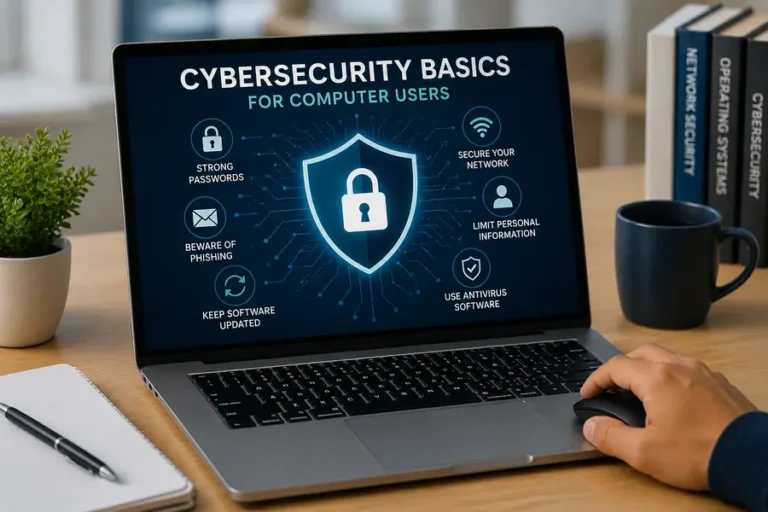
Your name, address, phone number and banking information is valuable to criminals — and not just in your home. It only takes one unsuspecting click one weak password. For reason, knowing safeguard how to protect personal information online data on line become essential a life ability as locking your front door.
The good news? It doesn’t require a lot of technical knowledge properly. There are some simple practices make a big difference.
How to protect personal information online
Personal information means any information which can be used to identify you or you may be impersonated. This is where you would include your Social Security number and bank account information, but also where you’d include less obvious information such as your home address, your phone number, date of birth, information that you put into your email account, and even your mother’s maiden name if it’s used as a security question.
Whenever you shop online, sign up for a newsletter or post anything on social media, a little of this puzzle is revealed. Individual items may not appear to be harmful alone. Together, they might be sufficient to open a credit card in your name.
Why This Actually Matters to You
The temptation is to think, “I have nothing of value that can be stolen. However, the identity thief isn’t interested in your net worth, he or she is looking for access. A stolen email password can result in reset links for your bank, your subscriptions and even your work accounts. Doing this is not paranoia, it’s the same way you change the oil in your car before it jams.
Start With Strong, Unique Passwords
It is one of the most dangerous practices on the internet and using the same password. When one of those websites you briefly remembered subscribing to gets hacked you also used the same password for your email, repercussions swift.
Instead:
- Use passwords long, random and different from one account another;
- Don’t fall into trap of having to remember dozens of passwords, use password manager instead.
- Stay away from something your name, birthday pet’s name on it.
Turn On Two-Factor Authentication
Two-factor authentication (2FA) provides additional layer of security, typically requiring a code sent user’s phone, before anyone log even know your password. An additional 10 seconds at logon, but can help to prevent an account takeover. Use it as much as you can at least on your email, banking apps and social media.
Learn to Spot Phishing Scams
Phishing emails and fake websites will appear to be real, just like your bank, a delivery service or even your co worker. Most of the time they make people feel the urgency, such as “Your account will be suspended,” or “Confirm this payment now.
Always verify the real email address of the sender, hover over links to determine where they lead, and if you’re unsure, avoid opening links from the company and type in their website address directly. It’s uncommon for real companies to request personal information via email links.
Think Before You Post on Social Media
The nature of social media is a place to discuss oversharing. Posting these information can give strangers the information they need and they may use it against you, ranging from picking up your car keys to stealing your identity.
Check your privacy settings often, restrict who view your posts, don’t use quizzes or apps request personal information for a “fun result.
Browse Securely and Avoid Risky Downloads
Avoid websites begin with “http://” (not secure). Beware of pop-ups alerting you to “viruses” most of these scams to trick you into downloading malware purporting to antivirus program.
Only download apps and files from official stores verified sources. Double check any unexpected email attachment, even from unfamiliar familiar people.
Secure Your Devices and Home Network
Change default username and password for your Wi-Fi network, set a secure password. Update operating system, browser and applications these updates frequently designed to address security vulnerabilities hacker could exploit.
Be Extra Careful on Public Wi-Fi
Free Wi-Fi is available in cafes or at airports, convenient but not safe. Never log in banking applications input banking information on public Wi-Fi unless running trusted VPN to secure connection.
Guard Your Financial Information Closely
Avoid giving full card numbers, PINs online banking passwords over email text messages. Review bank statements often for any odd transactions and set up alerts to transactions to catch issues as soon as they occur.
Common Online Risks at a Glance
| Online Risk | What Can Happen | Simple Protection |
| Phishing | Password or personal data theft | Verify links and senders |
| Weak passwords | Account takeover | Use strong, unique passwords |
| Public Wi-Fi | Data interception | Avoid sensitive transactions |
| Oversharing | Privacy or identity risks | Limit personal details |
Back Up What Matters
Your backups are not just for the protection of yourself and your computer from hackers, but also event of a device failure or accidental deletion. Make backup of important documents multiple locations, including external storage device cloud.
If Your Information Is Already Exposed
In case of a data breach or suspected hack, take action: Change your passwords right away, not already done so, enable 2FA, log out of any open sessions, watch for unusual activity on your accounts. Call your financial institution directly to report any financial accounts; use number located financial institution’s card, not one provided in a suspicious e-mail.
Final Thoughts
Consistency key to knowing protect personal information online, NOT complexity. You’ll face most of risk you encounter by using strong passwords, two factor authentication, cautious browsing, healthy skepticism of unsolicited messages. Develop them once, work stealthily for you anytime online.