Cybersecurity Basics for Computer Users: Essential Safety Tips for 2026
Introduction
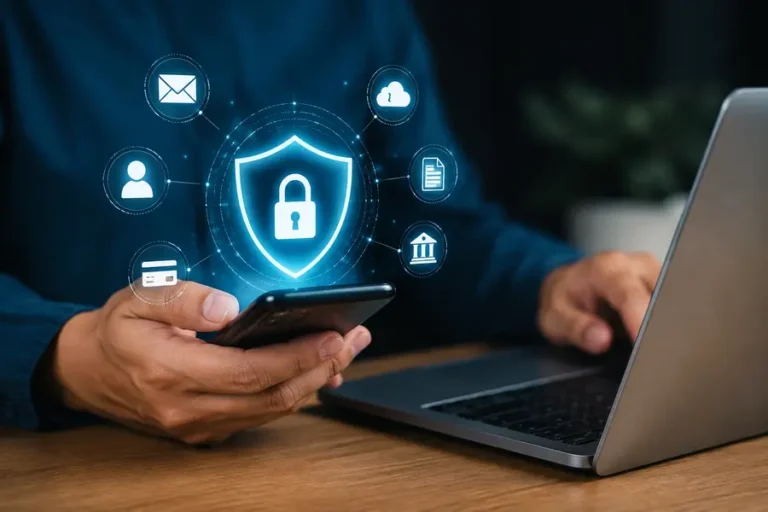
Until a hacker locks your email account, charges your credit card for something you didn’t buy, or makes your computer run so slowly that it’s unusable, most people don’t prioritize Cybersecurity Basics for Computer Users issues.
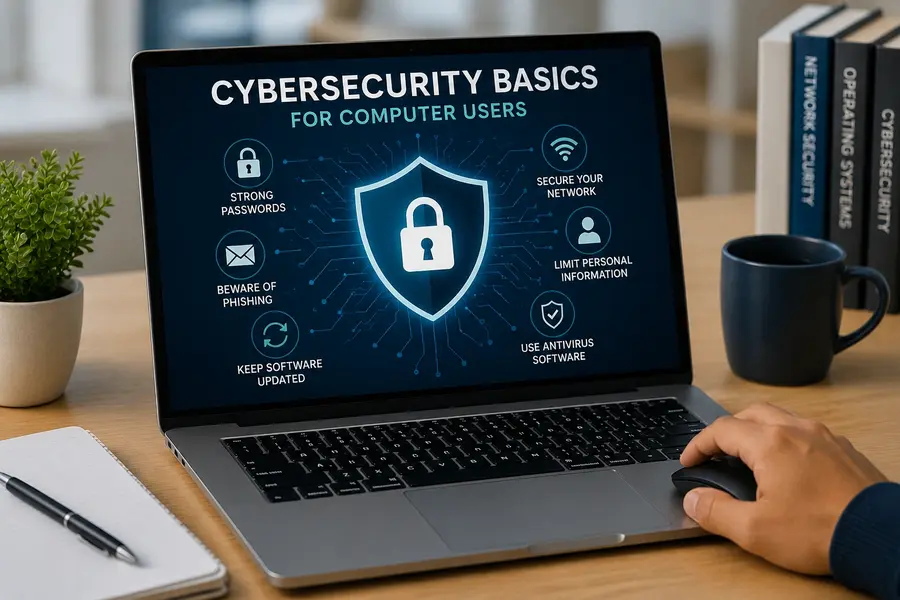
It’s not about being a tech expert to understand cyber security basics for computer users. It’s a matter of establishing a few habits that will prevent your devices, accounts and personal data falling into the wrong hands.
What Cybersecurity Actually Means for Everyday Users
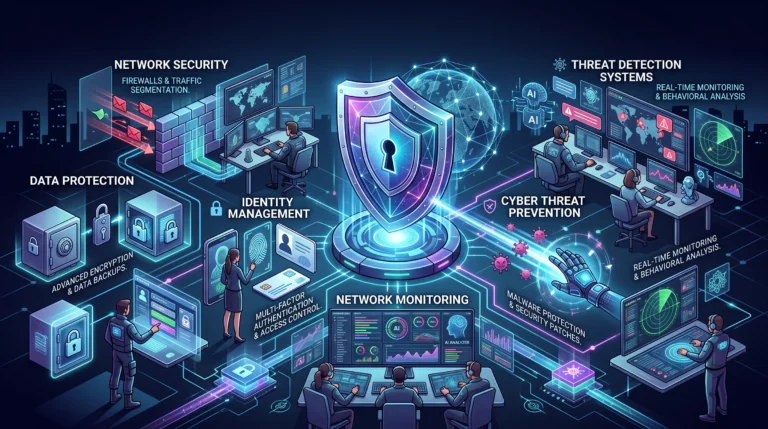
Cybersecurity Basics for Computer Users fundamentally about keeping people from stealing, harming misusing your devices, accounts data. A computer science degree not necessary practice good Cybersecurity Basics for Computer Users. Awareness, some good tools and some good habits.
- While to the average person, Cybersecurity Basics for Computer Users basically boils down to three things:
- Keeping unauthorized people out of your accounts devices
- Steer clear of tactics try to trick you into providing information.
Common Cyber Threats You Should Know About
It’s important to understand trying protect yourself from before protect yourself. The threats regular users tend encounter most frequently.
Malware
Malware is any program meant to damage acquire information from your device. This encompasses viruses, spyware, ransomware, encrypts your files demands ransom for their decryption.
Phishing
Phishing is you misled into disclosing passwords, card numbers other information via fake emails, texts, websites. The messages may pretend to be from bank, delivery service, even a co-worker.
Weak or Reused Passwords
If one account is hacked, you have the same password on all accounts, your other accounts hacked well.
How to Create and Manage Strong Passwords
Your first line of defense should strong password. Use 12 more characters, including letters, numbers, symbols (try not to use numbers spell out a name a birthday, such as 123456.
Practical tips:
- Make sure to create a different password for each account important to you.
- Use a password manager create securely store them
Why Software and Operating System Updates Matter
No, updates are not solely focused on new features. Most updates close security flaws that are being exploited by hackers. Waiting leaves an open door in your defenses.
Ensure operating system, browser and apps are set to update automatically where possible. It’s one of the easiest and best practices in Cybersecurity Basics for Computer Users.
How to Identify Phishing Emails and Fake Websites
While phishing has become more convincing over the years, there are a number of red flags:
- Pressing language that prompts you to act sooner than you can.
- Some misspelled domain names or sender e-mail addresses
- Typical salutation such as Dear Customer rather than your name.
- Links that fail to reveal the company’s actual website on hover.Links which, on hover, do not display the company’s actual web site.
When such a message comes across your computer, don’t click the link provided, but proceed straight to the official website.
Safe Browsing Habits
Safe browsing is not about saying no to the internet, it’s about saying yes, but to the right internet. Use only websites that have “https://” in the URL.Only use websites that have “https://” in the URL as this means that the website is encrypted.
Beware of pop ups, particularly if it tells you your computer is infected a reputable anti-virus program will not beep at you via a pop up in your browser. Be wary of browser extensions as well.
Antivirus and Malware Protection
Most of the modern operating systems have built-in protection and keeping it turned on and updated is more important than you select the brand.
Do full system scans, as opposed to quick scans, because some malware lurks further in the system.
Wi-Fi and Network Security
The home network is one of the most overlooked elements of the network stack, but is a relatively easy target if not properly secured. Use WPA3 or WPA2 encryption, change admin password for the router, steer clear of public Wi-Fi, unless you’re on trusted VPN, for banking and shopping.
Protecting Personal and Financial Information
Avoid sending personal information, such full credit card numbers, account passwords, social security numbers email texts. Legitimate companies ask for information that way. Regularly check banks credit card statements for unauthorized charges.
Safe Downloading and Installing Software
Always download software from official websites trusted app stores. Malware is often spread through pirated software “free” versions of paid applications. If you installing anything, review and check permissions, (a simple flashlight app that asks for permission to access your contacts, is a red flag).
Backups and Data Protection
Even if a backup fails to stop attack, prevent from turning into disaster. Follow 3-2-1 rule: three copies of your data, 2 of which 2 different storage media, 1 copy offline cloud. Thus, even ransomware manages to take your files hostage, cannot be held.
Common Cyber Threats at a Glance
| Common Cyber Threat | Warning Sign | How to Stay Safe |
| Phishing email | Urgent tone, suspicious links, unfamiliar sender | Verify by visiting the official website directly |
| Malware/virus | Slow performance, pop-ups, unfamiliar programs | Run antivirus scans, avoid pirated downloads |
| Weak passwords | Reused or simple passwords across accounts | Use a password manager and enable 2FA |
| Public Wi-Fi risks | Unsecured or unfamiliar networks | Use a VPN, avoid sensitive logins on public networks |
| Ransomware | Files suddenly locked or inaccessible | Keep regular backups, avoid suspicious attachments |
What to Do If a Computer Account or Device Is Compromised
If a computer account or device has been compromised:
- If there is a suspected breach then act quickly:
- Change passwords ASAP, beginning with email and banking.
- If it’s not already activated, allow two factor authentication.
- Perform a comprehensive scanning of the impacted device.
- Review the activity logs of accounts for unknown logins
- If financial information is involved, reach out to your bank.
- Report a violation to the platform/service provider.
Final Thoughts
Adopting best practices for computer users doesn’t need to be ongoing and complex, or cost much. It takes some regular practices: passwords, updates, a good sense of skepticism for any emails you receive that don’t look familiar, and a good backup system.
These are things you should implement as part of your normal routine and you’ll be well protected much of the time that is, you’re not that much of a target for cybersecurity.